--
How to manage ADHD and diabetes


For a child or an adult living with type 1 diabetes (t1d), an additional diagnosis of ADHD raises the importance of having easy-to-use systems for managing both conditions. At first, a diagnosis of ADHD may be surprising. However, since people with diabetes are in more frequent contact with medical professionals — who can recognize the symptoms of ADHD — diagnoses are more common than they may be for those not living with diabetes.
Due to various medications prescribed for ADHD, it's essential for patients to see psychiatrists who specialize in treating the condition. Additionally, ongoing medical care with primary care physicians and neurologists is extremely important to staying healthy when diagnosed with ADHD and t1d.
In addition to receiving support from healthcare providers, seeking education to understand and support a loved one with ADHD can help alleviate any frustration they might experience — such as feeling different than others or growing impatient with themselves. By considering these practical tips, you'll be better equipped to help yourself or your loved one manage their ADHD and diabetes.
1. Minimize distractions
People living with ADHD can find themselves easily distracted or hyperfocused on a single task. Being hyperfocused occurs when you become lost in a favorite activity — like watching television, gardening, or reading a book — to the exclusion of other activities. For people also living with t1d, this could interfere with diabetes management such as eating and taking blood sugar readings. When you're hyperfocused, you may find that time seems to pass without your full awareness — you might emerge from whatever you've been engaged in and discover a long stretch of time has gone by.
If you're living with ADHD and diabetes, eliminating distractions from your physical environment can help you stay on task. For instance, remove clutter throughout your house. Group items strategically, and create visual reminders to make completing daily activities seamless. Having order in the home helps you enjoy life with fewer worries.
You can also group related tasks in addition to physical items. For example, pair taking medications and checking blood sugar with eating breakfast. As a visual reminder, organize your medications in a reminder box placed on the kitchen counter where meals are prepared.
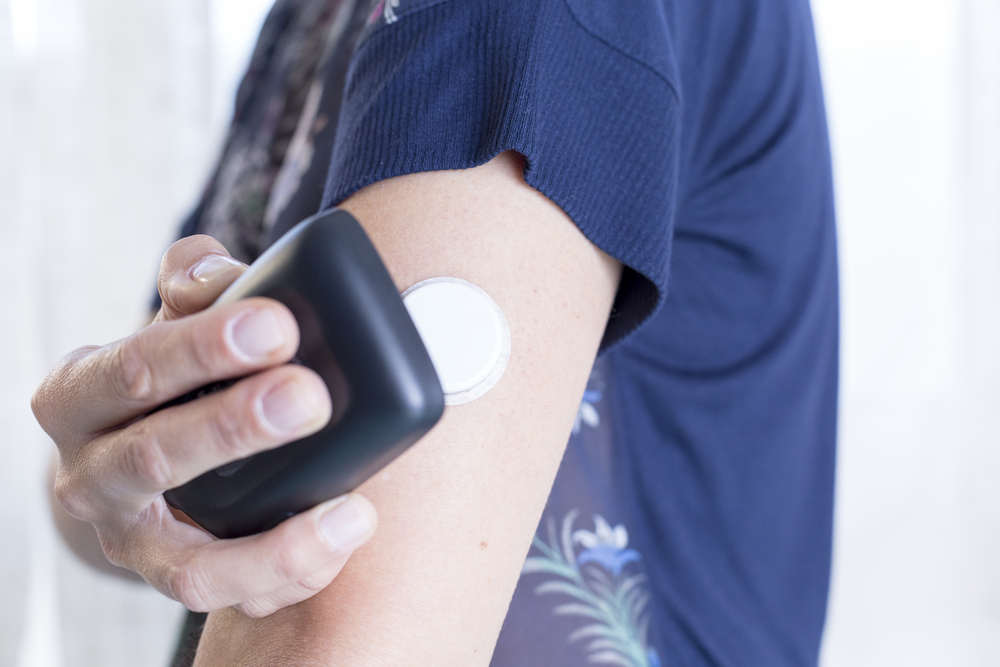
Another idea is to group bathroom items — like a toothbrush, dental floss, and mouthwash — in a basket to make the steps of completing daily dental care a breeze. Having diabetes supplies nearby will then make it easy to check blood sugar, dose insulin, or replace a continuous glucose monitor (CGM) sensor.
2. Create daily checklists and habits that work
Good diabetes care requires being attentive to many daily tasks, including monitoring blood sugar, meals, hygiene, and exercise. To create foolproof systems and processes, you can rely on a daily journal or calendar to ensure your day runs smoothly and on schedule.
For example, how many times have you driven away from home wondering if you left your diabetes care kit behind? When you use checklists for immediate, short-term, and long-term projects, you can go about your day with confidence.
Keep a notebook of your checklists with you at all times to remain organized. Create one checklist for things you must do today, another set of lists for routine tasks like diabetes management, and a long-term checklist to help plan ahead.
A daily routine checklist to manage diabetes might include items like:
- Checking blood sugar levels and dosing insulin at the appropriate time intervals.
- Completing a hygiene routine.
- Taking all prescribed medications at their scheduled times.
- Scheduling time for breakfast, lunch, dinner, and snacks.
- Planning an exercise routine with the duration and type of activity for the given day.
- Assessing your inventory of diabetes medications and supplies.
- Setting reminders to reorder medications and supplies when necessary.
At the end of each day, review and update your checklist for the next, and refill items in your on-the-go diabetes kit so you can start the day off prepared.
In addition to grouping items together for related activities, consider establishing behavior patterns that relate to tasks. For example, stand in front of your medication box and don't step away until all medications are taken.
3. Dedicate space to planning and streamlining tasks
Creating a dedicated space in your home where you plan and focus on projects will help you manage diabetes care and complete any studies or work projects. This focus area should be strictly for projects and the daily update of checklists so you can avoid all outside distractions.
Eliminate unnecessary clutter and furniture from the area. If noise or other people walking around the house is distracting, close the door. Whether you need to schedule a doctor appointment, take inventory of diabetes supplies, update your checklists, or maintain a calendar, time and space to focus are essential. This is your space — dedicated to planning, organization, and quiet time to collect your thoughts.
4. Prioritize health and wellness by using diabetes technology
Becoming overly focused on a task or being inattentive to checking blood sugar on a timely basis can be a risk for people living with ADHD and diabetes. In addition, enjoying exercise — but not being mindful of the effect of activity on blood sugar — can be another challenge for managing diabetes.
Forgetfulness associated with ADHD may increase your risk of health complications or hospitalizations due to blood sugar highs or lows. If forgetting diabetes care because of distractions becomes a risk factor for your health, it may be time to consider a CGM and insulin pump.
Using diabetes technology can take some pressure off by simplifying the time-sensitive daily tasks of managing blood sugar and insulin. You'll have space to free your mind, focus on other aspects of your health, enjoy hobbies, or socialize with family and friends.
5. Turn to music and meditation
Completing all of the tasks necessary to manage diabetes care every day requires a high level of intentional action and focus. There may be times when you feel like there's too much information coming at you, making it difficult to prioritize what to do first — especially if you're having a blood sugar high or low. You might struggle to decide whether to eat something, check your blood sugar, take a glucose tablet, or text a family member — growing overwhelmed determining the order in which to do these tasks. Because ADHD and diabetes can often feel all-consuming, listening to music or meditating can be beneficial to reducing the effects of sensory overload.
Research by Dr. Masha Godkin at Northcentral University confirms that listening to music benefits learning, attention, and memory and also reduces stress. Using the length of a single song to help with timed activities — like brushing your teeth, showering, taking medications, monitoring your blood sugar, and exercising — can support the completion of health routines.
Transcendental meditation (TM) is also proven to improve many of the symptoms associated with ADHD. Regular meditation practice can lower blood pressure, improve sleep, reduce stress, and improve brain function and memory — all helpful to managing a busy life and diabetes care. The benefits of TM can extend well beyond ADHD to heart health, sleep, depression, anxiety, and other health conditions.
There's a lot to consider when managing ADHD and diabetes. By using systems and processes to establish easy-to-remember routines, you can make your day-to-day management of t1d easier. Consistent effort toward your health and personal goals will give you confidence and time to enjoy activities that support a joy-filled life.
If you're looking for more support ideas, find tips and suggestions in the Edgepark Healthinsights Blog.