--
Better and easier diabetes management with a CGM as an older adult with T1D or T2D


When it comes to trying new things, some people are early adopters — they want to be first in line to try anything new. Others are known as late adopters.as they prefer to stand back and observe before they commit to trying something new. Regardless of whether you are an early or late adopter those living with diabetes can agree that there is value in using a continuous glucose monitor (CGM) to maintain better blood sugars for diabetes management. This article will review CGM technology, how it works, how adults can benefit from using it, and how to obtain CGM equipment and supplies most easily.
What is continuous glucose monitoring?
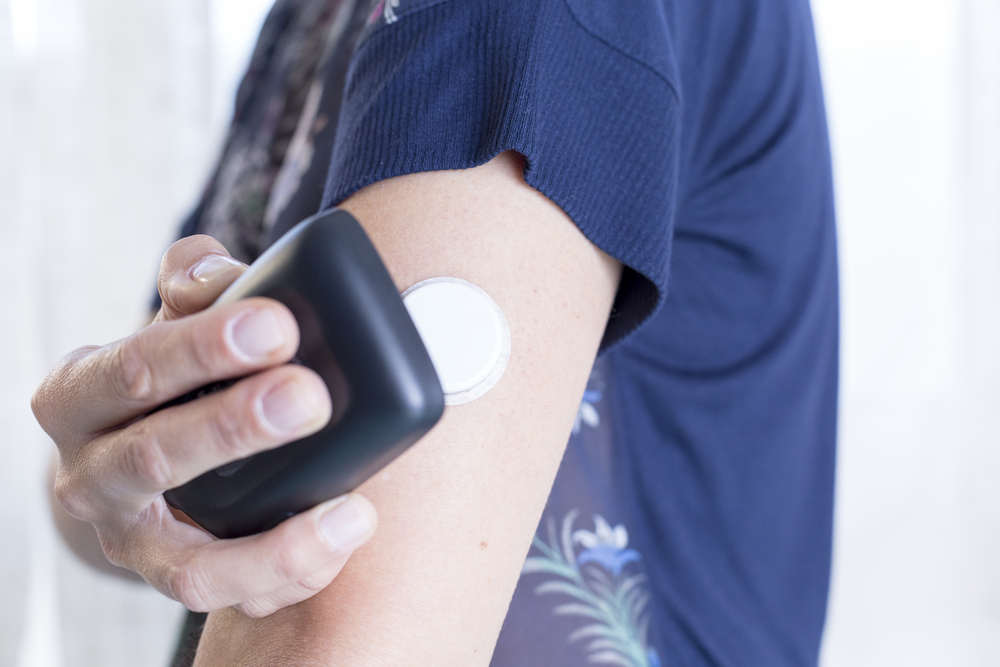
A continuous glucose monitor is a device that monitors blood sugar around the clock. It consists of three main parts: a tiny sensor inserted just under the skin, a receiver that displays your blood sugar level, and a transmitter that communicates blood glucose data from the sensor to the transmitter. Some CGMs have cell phone apps that can display data on the user's phone as well as the phones of friends or family members, providing extra peace of mind. Other CGMs can be integrated with insulin pumps, making insulin adjustment much easier.
CGMs became available in the U.S. for home use in 2004, so we have an almost 20-year history of working with CGM data. During that time, diabetes technology companies have gradually improved their ability to check blood glucose and provide near-instantaneous feedback to users. CGMs have improved, with some CGMs no longer requiring fingerstick calibration, and some CGMs can be worn continuously for as many as 14 days.
Who might benefit from CGM?
The people who will benefit most from using a continuous glucose monitor to improve their diabetes management include:
People living with type 1 diabetes.
People living with type 2 diabetes who use some form of insulin.
People living with diabetes who have frequent episodes of very high or low blood glucose (less than 55 mg/dl).
How CGM makes for easier diabetes management
First, a CGM can dramatically reduce the number of fingerstick blood glucose checks a person needs to perform. Since most people don't enjoy pricking their fingers, this can be a very welcome relief. Next, a CGM can not only tell you that your blood sugar is low or high, but it can also warn you if your blood sugar will be low or high in the next 20 minutes. That's right — it can actually predict a low or high before it happens! That way, you can take steps to prevent a low (like having a snack) or a high (like taking a little walk, drinking water, or adjusting your insulin dosage.)
A CGM can even alarm to wake you in the night if you have an unusual blood glucose level while you sleep, giving you peace of mind and a better night's rest. Finally, for those who live or work alone, the ability of friends and family to remotely monitor your blood sugar levels means help can be called for you if your blood sugar is severely out of range, even if you're unable to make the call yourself. This feature can help preserve independent living for older adults.
CGM considerations for older adults
Since most older adults have Medicare or a Medicare Advantage plan as their primary insurance, it's important to be certain that you meet the qualifications for CGM. If you have a Medicare Advantage plan, check with your plan to see if there is a preferred CGM device before talking with your doctor about which CGM is best for you.
CGMs should not be placed over scars, tattoos, moles, or skin that frequently bends, including skin with significant wrinkling. Some CGMs can be placed on the abdomen and buttocks, while others need to be placed over the tricep muscle on the back of the arm. Consider your ability to reach different parts of your body as well as the condition of your skin before deciding which brand of CGM might be best for you.
How to obtain CGM supplies for diabetes management
Medicare considers CGM devices and supplies to be Durable Medical Equipment (DME). They can be obtained through diabetes supply companies, such as Edgepark who will handle any necessary paperwork to bill the supplies directly to your insurance company. Many times, Medicare will allow three months of CGM supplies to be shipped to your home.
A CGM makes diabetes management so much easier. To find out whether you qualify for a CGM, contact Edgepark today.