--
Enjoying springtime with your CGM device


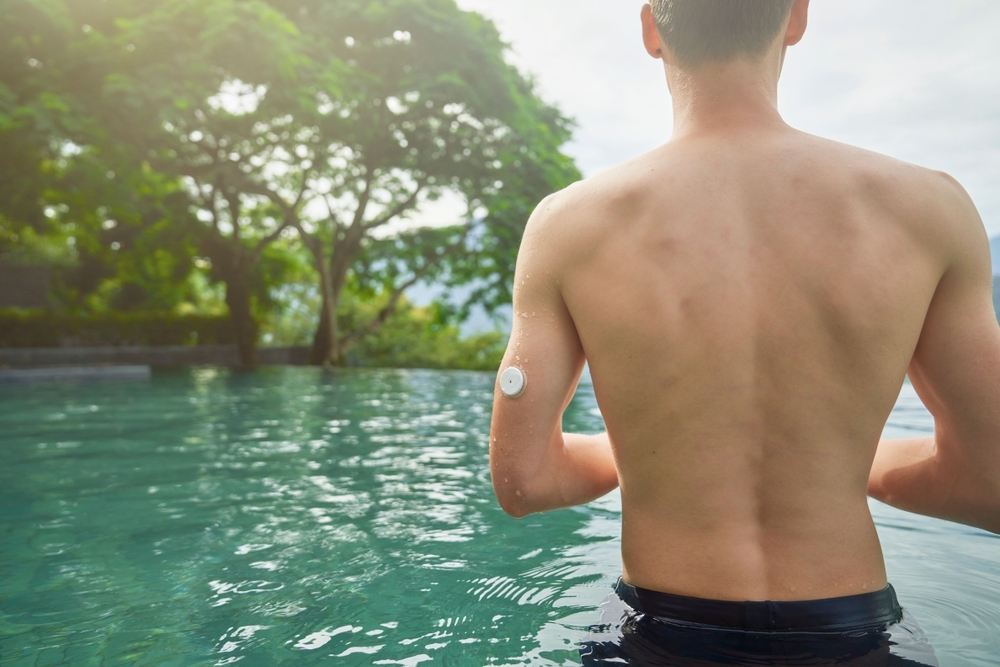
Has the arrival of warmer weather given you spring fever? You're not alone! Spending time outdoors in the fresh air and sunshine can feel amazing after several months of wintry chill. And if you live with diabetes, your continuous glucose monitor (CGM) can make springtime even more enjoyable.
Here's an overview of the most important things to know about your CGM device when it comes to the spring season, as well as helpful management tips to consider.
How warm weather can affect your CGM device
CGM devices are routinely worn in all kinds of weather — and it's unlikely that higher temperatures would cause a need for you to disconnect your CGM in favor of fingersticks. But CGM and insulin pump manufacturers recommend against exposing them to heat in addition to cold temperatures. Like any electronic device, extreme temperatures can cause damage to the sensitive parts inside your CGM or pump.
Accordingly, it's important to keep your CGM sensor and transmitter out of direct sunlight as much as possible during springtime. If you're out enjoying the warm weather with your CGM device and need to set it down for a short while, try to place it in the shade or cover it with a white or light-colored towel to insulate it from the heat.
CGM placement considerations for warm weather
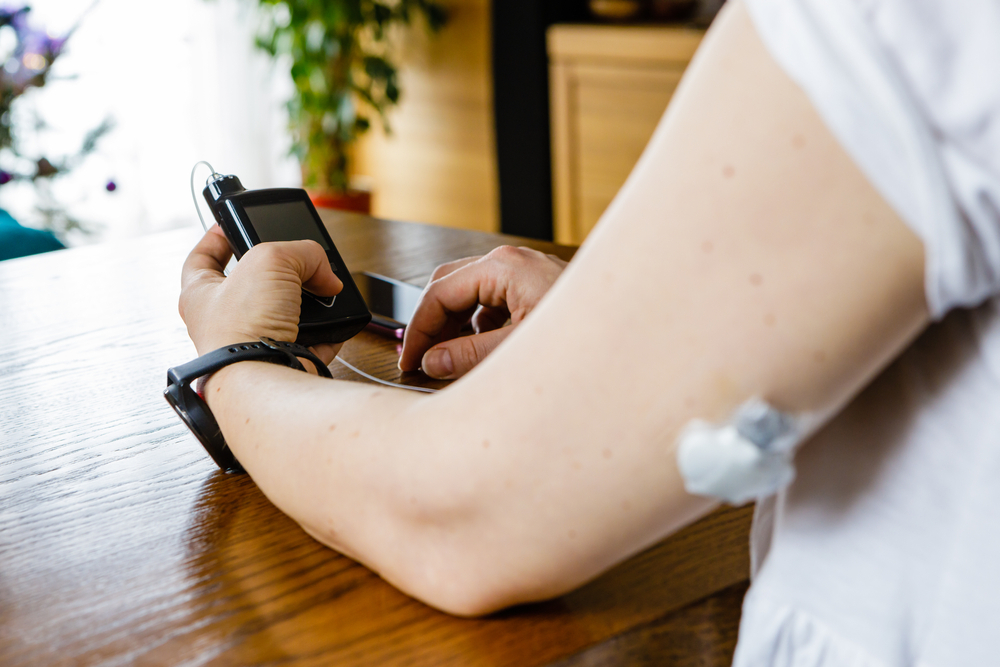
Since your CGM sensor may be worn for as long as 14 days, you'll need to choose a spot that works well for you in various situations, from work to casual settings. If you wear an insulin pump as well, finding a spot for both can get a little tricky, but it can be done!
Here are the manufacturers' recommended placements for CGMs:
- FreeStyle Libre 2: Sensor placement for this CGM is officially approved for the back of the upper arm.
- Dexcom G6: The manufacturer has approved the placement of these sensors on the abdomen for all ages, the back of the upper arm for ages 2 and up, and the upper buttocks for ages 2 to 17 years.
- Medtronic MiniMed Guardian Connect: Recommended site placements include the abdomen and the back of the upper arms.
Sweat may cause the adhesive that holds your CGM sensors or pump set in place to loosen. In these instances, you can opt for other placements or use extra-sticky adhesives to help keep your sensors and sets in place.
No matter the weather, it's always recommended that you place CGM sensors at least 2 inches away from your navel and away from any scars or moles. You should also avoid places where your clothing is likely to rub against the CGM (such as your beltline) so that the CGM sensor isn't accidentally rubbed out of place.
Warm weather considerations for people with diabetes
Warm spring sunshine brings a welcome relief from the gray skies of winter, and it also brings a few caveats for people living with diabetes. Here are a few extra precautions to take so you can stay safe while enjoying the outdoors in spring and summer:
- Stay hydrated. Increased physical activity and loss of water from sweating in higher temperatures can lead to dehydration. Dehydration raises blood sugar levels, so be sure to drink plenty of water when spending time outdoors.
- Use sunscreen. Sunburn is physical stress on the body, and when the body is stressed, blood sugar rises. Avoid sunburn by using sunscreen and reapplying liberally.
- Protect your equipment. Just as the cold can affect diabetes management supplies, heat can damage insulin and test strips. If you need to travel with your diabetes supplies, consider using a cooling case designed for this purpose, or use an insulated cooler with refrigerated (not frozen) gel packs.
Just like an insulin pump, a CGM can be a life-changing device, and it can help you manage your diabetes in all kinds of weather. Enjoy the sunshine and all the activities that come with it while using your CGM to help you keep your blood sugar right on target.
Loving the warm weather but struggling with outdoor allergies? Explore the Health Insights blog for information on dealing with seasonal allergies and diabetes.