--
How to manage type 2 diabetes


More than 37 million people in the United States have been diagnosed with diabetes, and up to 95% of those individuals are living with type 2 diabetes (t2d). The first question that may come to mind for someone newly diagnosed with t2d or someone ready to take action on a longer-term diagnosis might be: "What do I do now?"
Learning more about the condition, how to take care of yourself, and the tools to help you do so is a smart choice no matter where you are on your diabetes journey.
Type 2 diabetes basics
While there are multiple types of diabetes, type 1 and type 2 tend to be the most frequently discussed. Type 1 diabetes (t1d) is an autoimmune disease and requires insulin, whereas t2d is a metabolic condition frequently associated with family history and lifestyle factors. Treatment for t2d can vary from lifestyle modification to insulin injections, with many additional options in between. Since t2d is tied to insulin resistance, the first step often begins with making changes that can help make you more sensitive to your naturally produced insulin, like losing weight (if you are overweight), becoming more active, and taking a new approach to your way of eating.
Living well with type 2 diabetes
If you're living with or at risk of developing type 2 diabetes, you might be wondering what your options are for treatment. Your primary care physician or endocrinologist will take your personal health history and unique needs into account when deciding where to begin with your diabetes management. Regardless of whether or not you begin your type 2 diabetes journey with medication, taking a look at diet and exercise habits is often the first step and a foundation for moving forward for long-term health and well-being.
Becoming more mindful of food choices (particularly carbohydrates) and incorporating more physical activity into day-to-day life can make a big difference in keeping your blood glucose levels in range. There are several classes of oral medications that are prescribed for type 2 diabetes, as well as non-insulin injectables. Long-acting insulin and/or a basal/bolus (long-acting and mealtime) insulin regimens are also options your doctor may prescribe. If you are on a basal/bolus insulin regimen, you might also utilize an insulin pump or automated insulin delivery systems to help manage.
Tracking blood glucose levels
When your doctor tells you to start keeping track of your blood sugar, it's important to follow through. Sometimes type 2 diabetics are intimidated to know exactly what their numbers are, or they're afraid to see the results, but the information that comes from checking your blood glucose can be a very helpful way to find out how your food, medications, and other factors are affecting your diabetes management.
Fingerstick blood glucose monitoring with a traditional blood glucose meter utilizes a lancing device and test strips to derive a result. If your doctor recommends this approach, you may be using the meter up to four times a day or more to help make treatment decisions and gather insights for you and your care team.
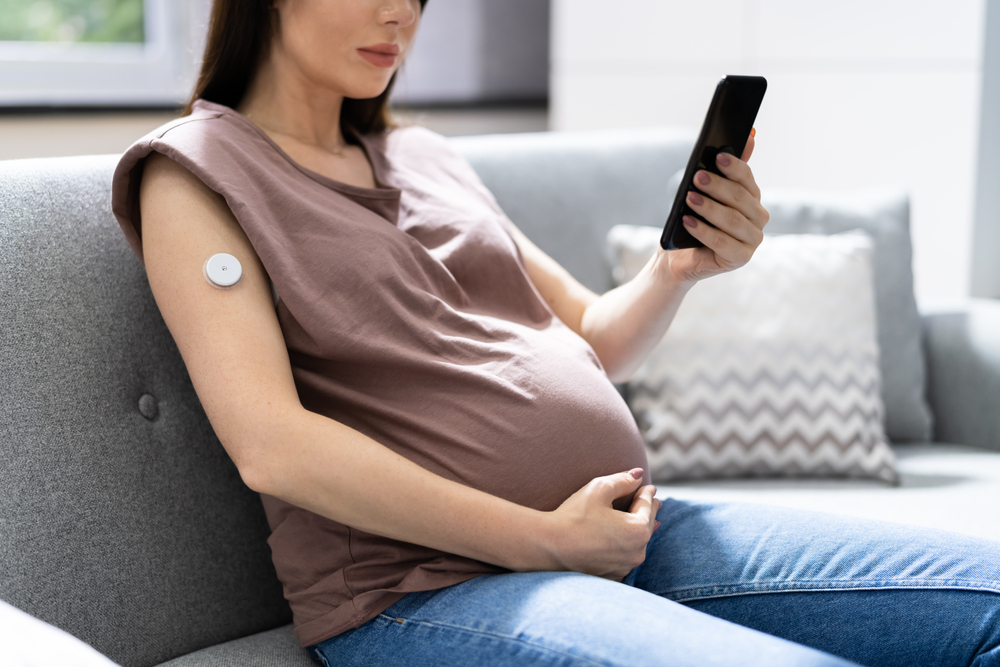
In recent years, insurance reimbursement for continuous glucose monitoring (CGM) technology has greatly improved for people living with t2d. With CGM, the patient wears a sensor, which transmits data to either a standalone receiver or a mobile phone app. Additionally, you can work with your doctor to set high and low blood glucose threshold alerts with your CGM to help stay aware of where your blood sugars are throughout the day and night, prompting you to take action as needed with the goal of keeping your numbers as close to your recommended range as possible.
Manage your type 2 diabetes with confidence
Remember, when it comes to living with t2d, it's important to get your information directly from your care team and other trusted resources. Receiving support from your loved ones and taking care of your mental health are also helpful in making progress on your diabetes-related health goals. You can utilize up-to-date medical therapies and technology like CGM to help you stay safe and healthy with your doctor's help, so be sure to ask what might be available to you at your next appointment.
Are you interested in learning more about how to get a CGM to help monitor your blood glucose levels? Discover the details in this article about CGM and medical policies.