--
Lactation consultant guide: Breastfeeding tips in a post-COVID-19 world


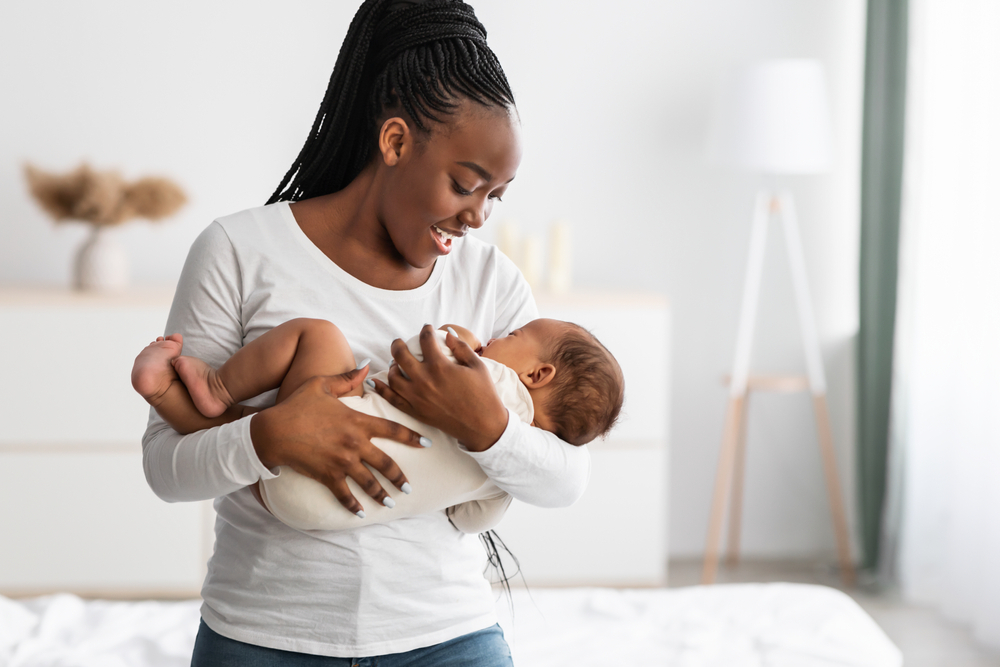
If you're expecting a baby, you may be thinking about breastfeeding and how it might work for you and your baby. You've probably heard about some of the benefits of breastfeeding, but you may be surprised to learn that nursing your baby can help protect against COVID-19 among other illnesses. This article will review the benefits of breastfeeding, especially in a post-COVID-19 environment, and provide breastfeeding tips for getting off to a great start and maintaining your milk supply for as long as you and your baby want to nurse.
The benefits of breastfeeding
Breastfeeding promotes a special bond between mom and baby, and it also provides numerous physical health benefits for each of them. These benefits include:
- Breastfed babies have fewer respiratory infections (including COVID-19).
- The benefits of nursing an infant are long-lasting: Adults who were breastfed as babies are leaner and have lower blood pressure than their formula-fed peers.
- Breastfeeding reduces a nursing mom's risk of developing breast cancer in her lifetime.
- Unlike formula, which can be costly and sometimes hard to source, breastmilk is free and readily available.
- Breastfeeding is environmentally friendly. No formula cans or bottles go into a landfill as a result of breastfeeding.
Breastfeeding and immunity
A mother's mature immune system is constantly scanning her body for any new bacteria or viruses that it needs to fight. When the immune system finds a threat, it starts to make antibodies (germ-fighting cells) against that threat. In fact, our immune systems have memories, so when our bodies find a threat we've encountered before, we can quickly ramp up the production of antibodies against that particular strain of virus or bacteria and fight it off.
A baby doesn't have this mature immune system, but mother nature has provided a unique way for the baby to receive protection from bacteria and viruses, too. Breastmilk is "alive" with germ-fighting cells. Breastmilk changes with the baby's needs, and it provides protection from threats in the environment.
Since COVID-19 became an issue in early 2020, new parents have been acutely aware of the need to protect their infants from respiratory infections. Babies are born with immature immune systems, and they are vulnerable to viruses and bacteria in our everyday environment. One of the biggest benefits of breastfeeding is that it provides an active transfer of the mother's immune system and antibodies to her baby through the breast milk.
Breastfeeding tips
Breastfeeding is not something moms are born knowing how to do. It's a skill they learn, and it takes practice. A baby has to learn to breastfeed, too. They've been eating through their umbilical cord for nine months, and now they're expected to latch on to the breast and suck, swallow, and breathe all in a coordinated pattern, and to do it eight to 12 times a day. That's a lot for a newborn! So, the biggest tip is to expect a learning curve and to reach out to a lactation consultant early and often if help is needed. Here are some other tips for getting breastfeeding off to a great start:
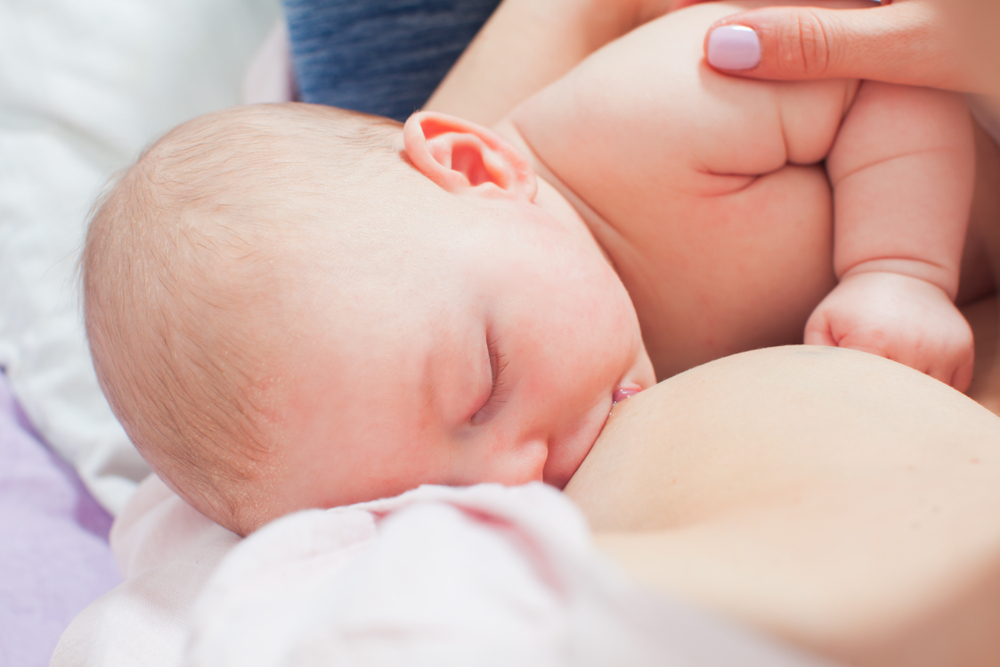
- Nurse your baby within the first hour after birth if possible, using skin-to-skin contact.
- Expect your baby to nurse very frequently in the first few weeks (every one to two hours is not unusual for a newborn).
- Count wet and dirty diapers to determine whether your baby is getting enough to eat. Your baby should have at least one wet diaper per day until your milk comes in on day three or four postpartum. After your milk comes in, your baby should be making at least six wet diapers per day and at least one bowel movement per day. Bowel movements will be dark, tarry meconium at first, but should transition to several loose, seedy, yellow stools by day four of life. If you don't see enough wet or dirty diapers, call your baby's doctor.
- It's best to introduce a bottle when your baby is between two and six weeks old. Make sure nursing is well established, but don't wait so long that your baby refuses to take milk from anyone but you. Infants will usually accept a bottle more easily from someone other than their mother.
- You will need to nurse or pump a minimum of eight times every 24 hours to keep up your milk supply. If you are away from your baby at a time when the baby would normally nurse, pump your breasts. Most insurance plans will cover an electric pump for each new baby.
- In order to maintain milk supply, most moms need to feed their babies or pump at least once a night for the first several months. Skipping this feeding causes a change in hormone levels and can lead to decreased milk production.
Every parent wants the very best for their baby, including the best protection from environmental threats like the COVID-19 virus. The best protection from germs is to prevent exposure to them at the outset, but breastfeeding provides an extra layer of protection when your child is exposed to viruses and bacteria, and it can help ensure a healthy future for your baby.
For more tips on how to prepare for your baby's arrival, check out this article on Edgepark's HealthInsights.