--
7 lactation myths that could actually harm your breastfeeding journey


If you're pregnant and planning to breastfeed, you're probably getting a lot of advice — some of it unsolicited. Most advice-givers mean well, but lactation myths tend to be passed down from one generation to the next without much evidence to back them up. Expectant moms have plenty to think about without adding unnecessary worry to the list, so here are seven lactation myths you can cross off your worry list right now.
Myth #1: Nursing moms can't eat spicy food.
Fact: For thousands of years, women all over the world have been breastfeeding their babies. Imagine all the different foods and spices that exist in the world, and then imagine if all those mothers tried to eat the exact same bland diet. That would be almost impossible.
The truth is that babies start to "taste" the flavor of the foods their mothers eat inside the womb, just like they can hear their mother's voice and the voices of the people they talk to frequently before they're born. Most spicy foods, such as hot peppers, are high in vitamin C and may actually benefit moms and the milk they produce for their babies. There's no research that says moms should avoid flavorful foods while nursing. In fact, when babies taste flavors in breast milk, it may help them become familiar with the foods their families will offer them in a few months.
Myth #2: Pumped milk isn't as healthy as milk your baby gets from nursing.
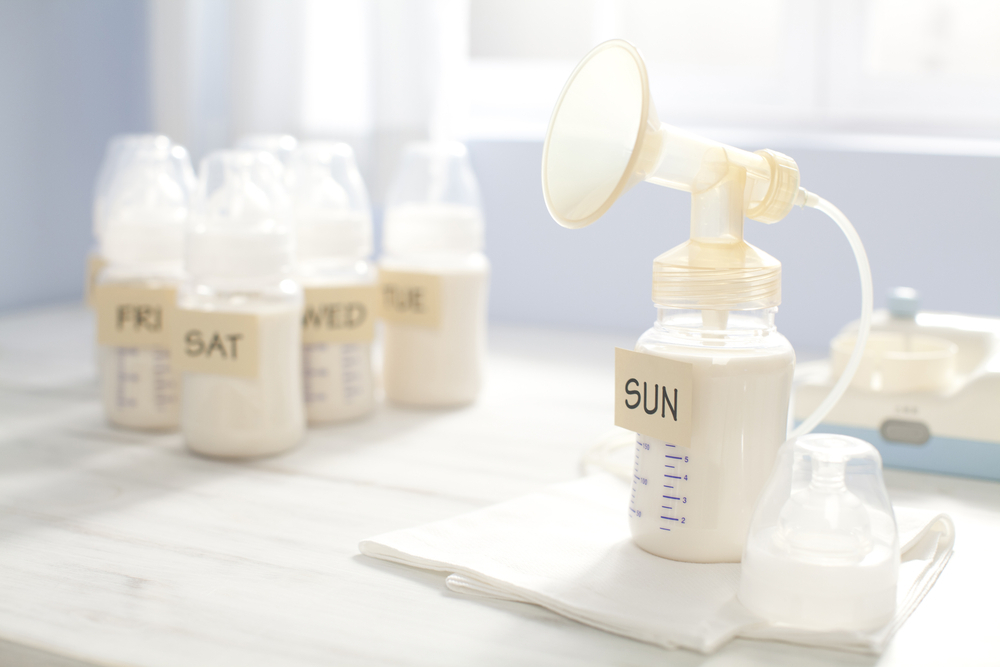
Fact: Whether your baby nurses at the breast or drinks pumped breastmilk, they're still receiving a living substance full of germ-fighting properties, and your milk still changes as your baby grows to suit their specific needs. Sometimes formula is necessary for a variety of reasons, when mom can't produce enough milk. Ounce for ounce, properly stored breastmilk always wins.
Myth #3: You need to toughen up your nipples before you give birth.
Fact: Years ago, moms were routinely advised to rub their nipples with coarsely textured washcloths every day during pregnancy. This was thought to "toughen up" the skin on the nipples and prevent nipple soreness. Today, we know this isn't true.
Tiny glands on the nipples known as "Montgomery's tubercles" secrete an antibacterial substance that fights germs on your nipples and helps the nipples stay lubricated during nursing and pumping. Rubbing the nipples unnecessarily or washing them too frequently will remove the antibacterial secretion and make your breasts more prone to infection, and it won't help nipple soreness. Getting a good latch is the key to preventing and correcting nipple soreness while your baby feeds, and making sure the flange on your breast pump is the right size can prevent nipple soreness while pumping.
Myth #4: You shouldn't breastfeed while you're sick. Your baby will get sick, too.
Fact: When a mom gets a cold or a similar infection, their body creates antibodies (germ-killers) to fight it off. Those antibodies pass through their breast to their baby, which actually helps protect the baby from getting sick. If the baby does get sick, the antibodies help the baby get well faster. Babies have immature immune systems, so breastfeeding lets babies borrow immunity from their moms until their own immune systems mature. There's no need to "pump and dump" when you're sick, unless your doctor specifically tells you to do this or prescribes a medication that's incompatible with breastfeeding.
Myth #5: You can't get pregnant while you're breastfeeding or pumping.
Fact: Exclusive breastfeeding, including at least one breastfeeding or pumping session during the night, will decrease your chances of ovulating (releasing a fertilizable egg from your ovaries). But there's always a chance of pregnancy, even for women whose menstrual periods haven't yet returned. If you're not ready for another baby, don't rely on breastfeeding as birth control.
Myth #6: You need to drink milk to make milk.
Fact: Breastfeeding moms need to drink at least 2 liters of water and eat at least 2,200 calories per day, preferably in the form of high-quality fruits, vegetables, whole grains, and proteins. But you don't need to drink milk to make milk.
Myth #7: Nursing makes your breasts sag, and pumping makes it worse.
Fact: Pregnancy hormones are actually responsible for the loss of elasticity in the breast tissue. So, whether you breastfeed or not, your breasts will change and likely appear less firm after you deliver your baby than they appeared before pregnancy.
These are just some of the lactation myths you may encounter — and it's likely you'll hear many more about pregnancy, breastfeeding, and taking care of your new baby. When in doubt, consult your primary care provider, your baby's pediatrician, or your lactation consultant, to avoid sacrificing something you enjoy when you don't need to.
Want to learn more about breastfeeding your baby? Read .com/healthinsights/breast-pump/5-things-expecting-mothers-need-to-know-about-breast-pumps/" target="_blank" rel="noopener noreferrer">5 things expecting mothers need to know about breast pumps.